
Guide
Two questions tell you if your trolley wheels are open, plugged, shielded or sealed: is there a welsh plug on the I-beam side, and is there a shield or seal on the bracket side?
Before you start
You need a flashlight and a spare trolley. Lock out and tag out the conveyor before you inspect.
Start here · wheel design
If you can see the balls, look for a steel cage between them, or count them.
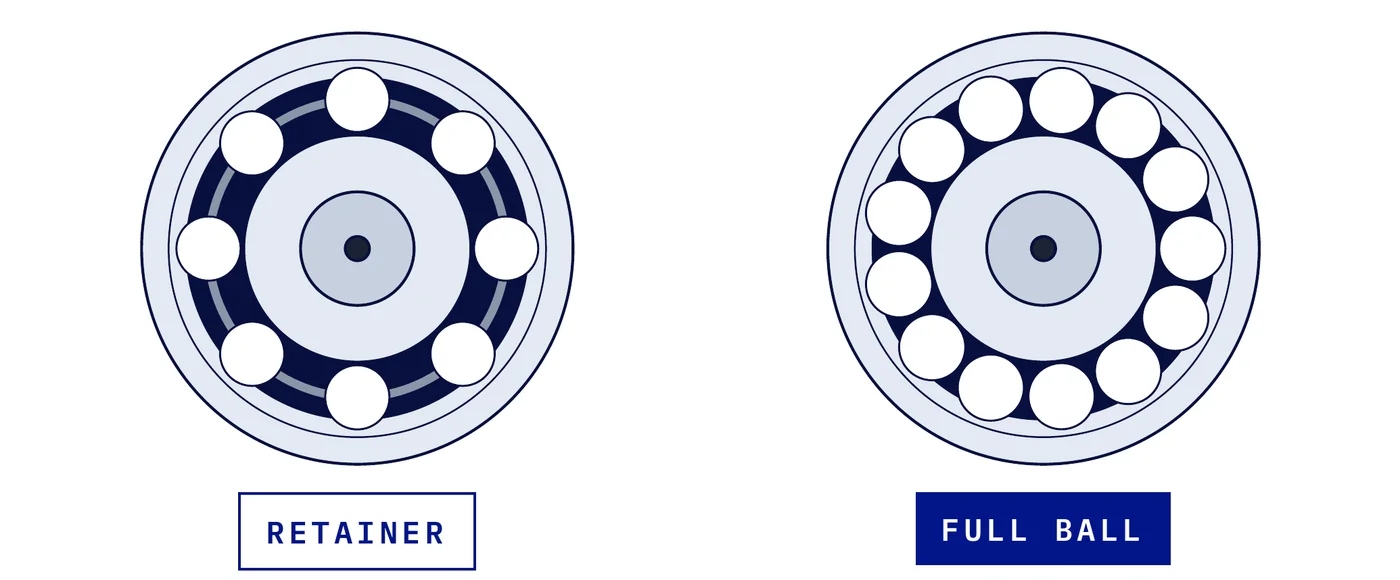
Fig. 1 · Retainer (left) and full ball (right) trolley wheels.
| CAGEDRetainerSteel cage separates the balls. Lowest friction. Up to 325°F. | FULL COMPLEMENTFull ballNo cage, more balls. Heavy load and contamination. Up to 500°F. |
| Wheel | Retainer | Full ball |
|---|---|---|
| 3 in | 7 balls | 11 balls |
| 4 in | 8 balls | 13 balls |
| 6 in | 8 balls | 13 balls |
The configurations
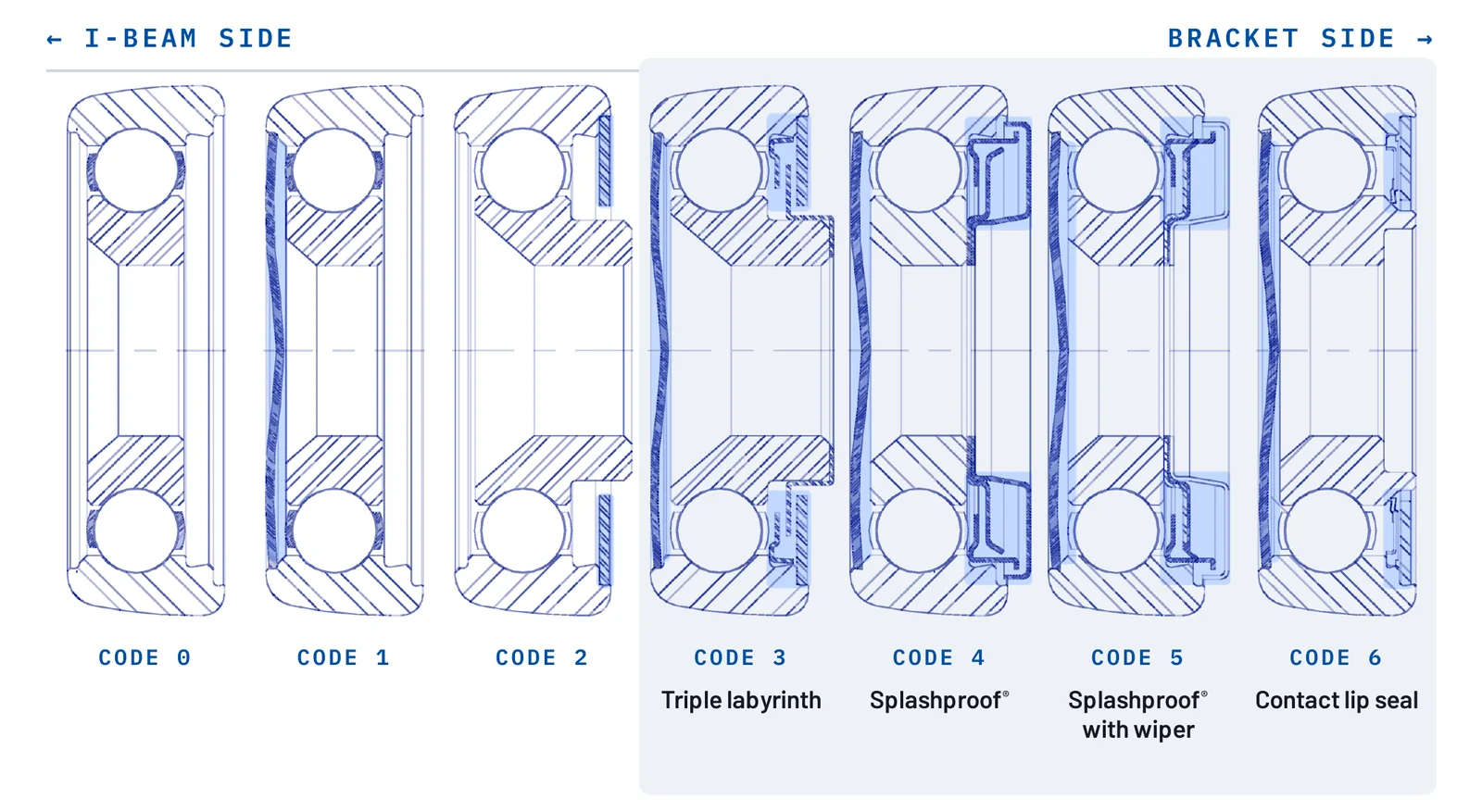
Fig. 2 · Catalog codes 0 to 6, retainer type. Shaded blue marks the part that changes.
| Configuration | Code | What you see |
|---|---|---|
| Open / open | 0 | Nothing on either side. |
| Welsh plug, no shield | 1 | Plug on the I-beam side only. |
| Shield, no welsh plug | 2 | Shield on the bracket side only. |
| Sealed | 3 to 6 | Welsh plug plus a seal on the bracket side. Four seal types. |
Drawings and codes from the Frost product catalog, page 9 (retainer type). Full ball wheels use the same plugs, shields and seals.
Know the two sides
The I-beam side faces the beam. The bracket side faces the trolley bracket. The welsh plug caps the I-beam side. A shield or seal covers the ball gap on the bracket side.
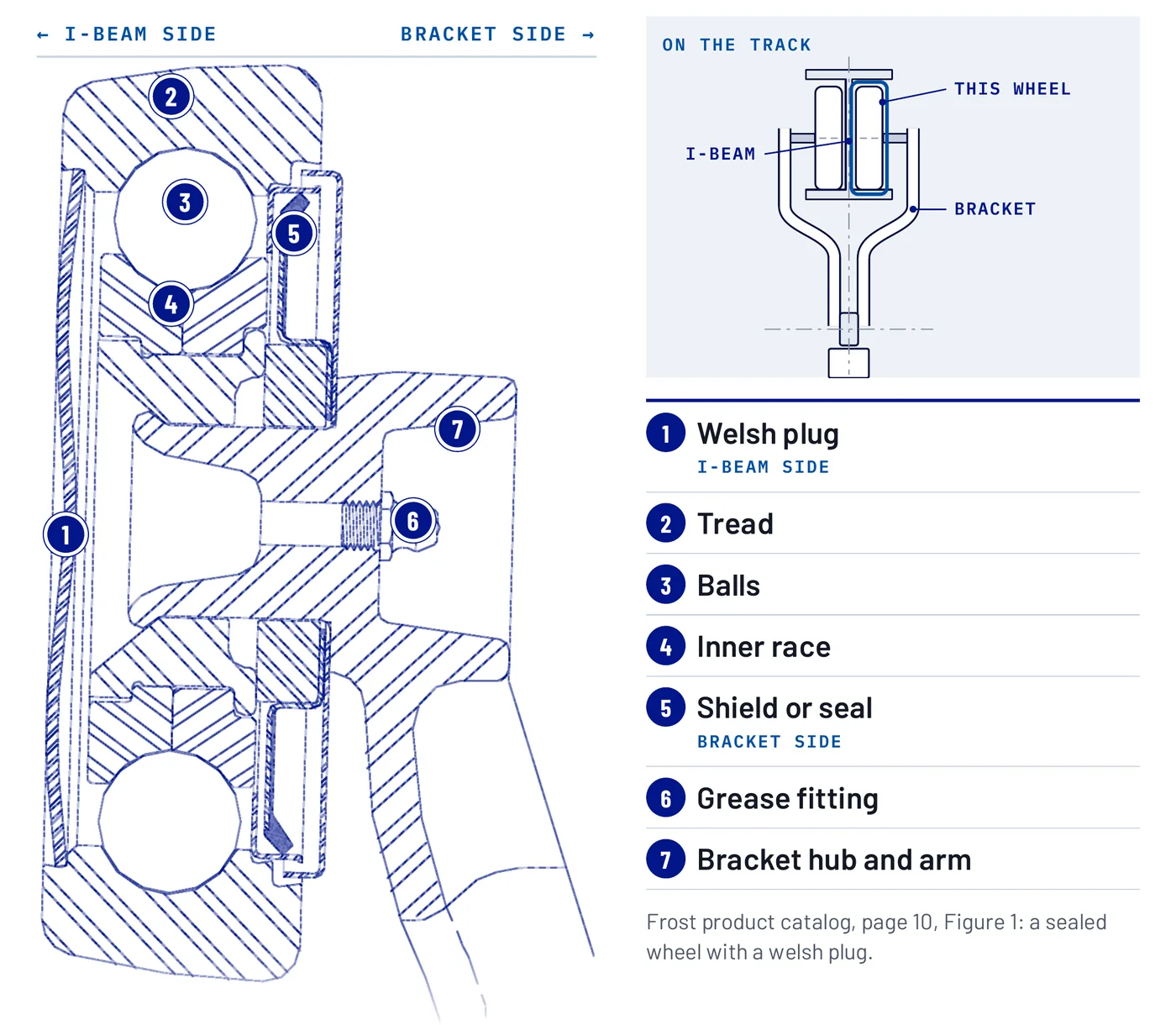
Fig. 3 · Frost product catalog, page 10, Figure 1: a sealed wheel with a welsh plug.
Question 01 · I-beam side
Look at the side of the wheel that faces the I-beam.
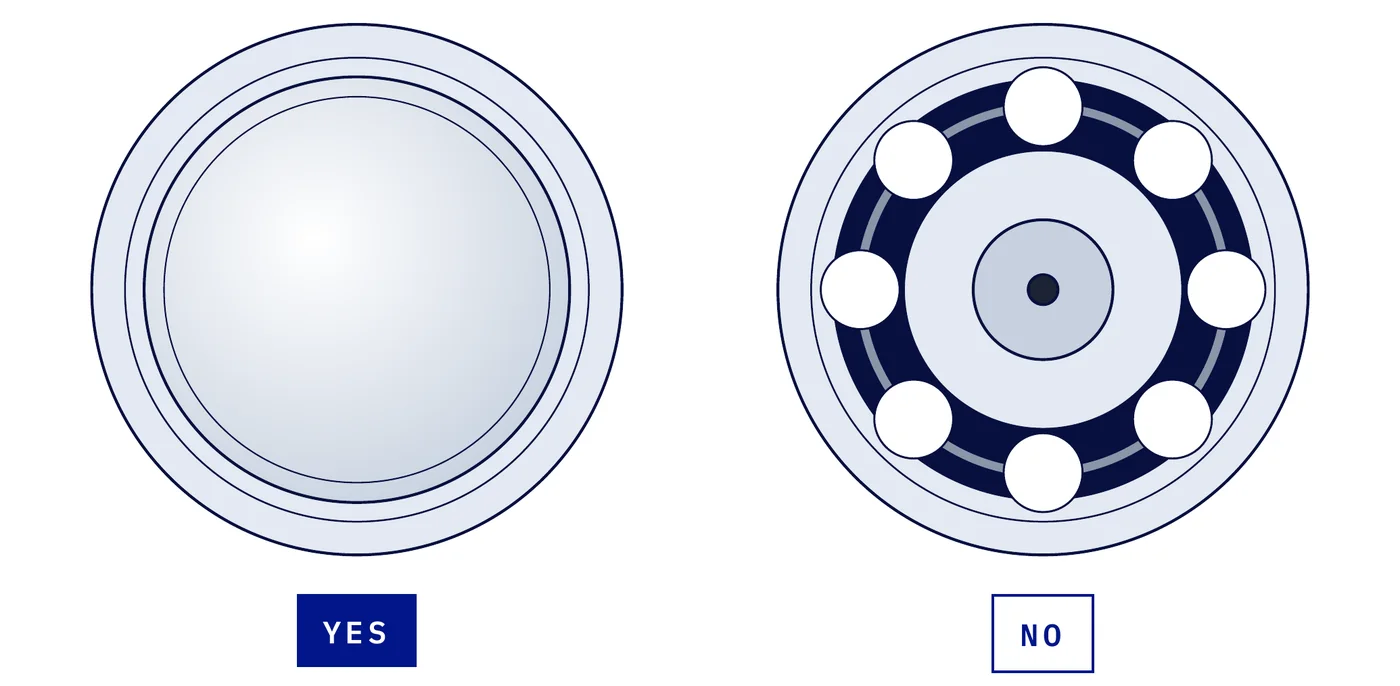
Fig. 4 · Yes: a smooth, dished steel cap covers the face. No: you can see the balls and the end of the bracket hub.
Easier off the track
The I-beam side is hard to see on a running line. Check a spare trolley or one removed for maintenance.
Question 02 · Bracket side
Look at the bracket side, at the ring between the bracket hub and the tread.
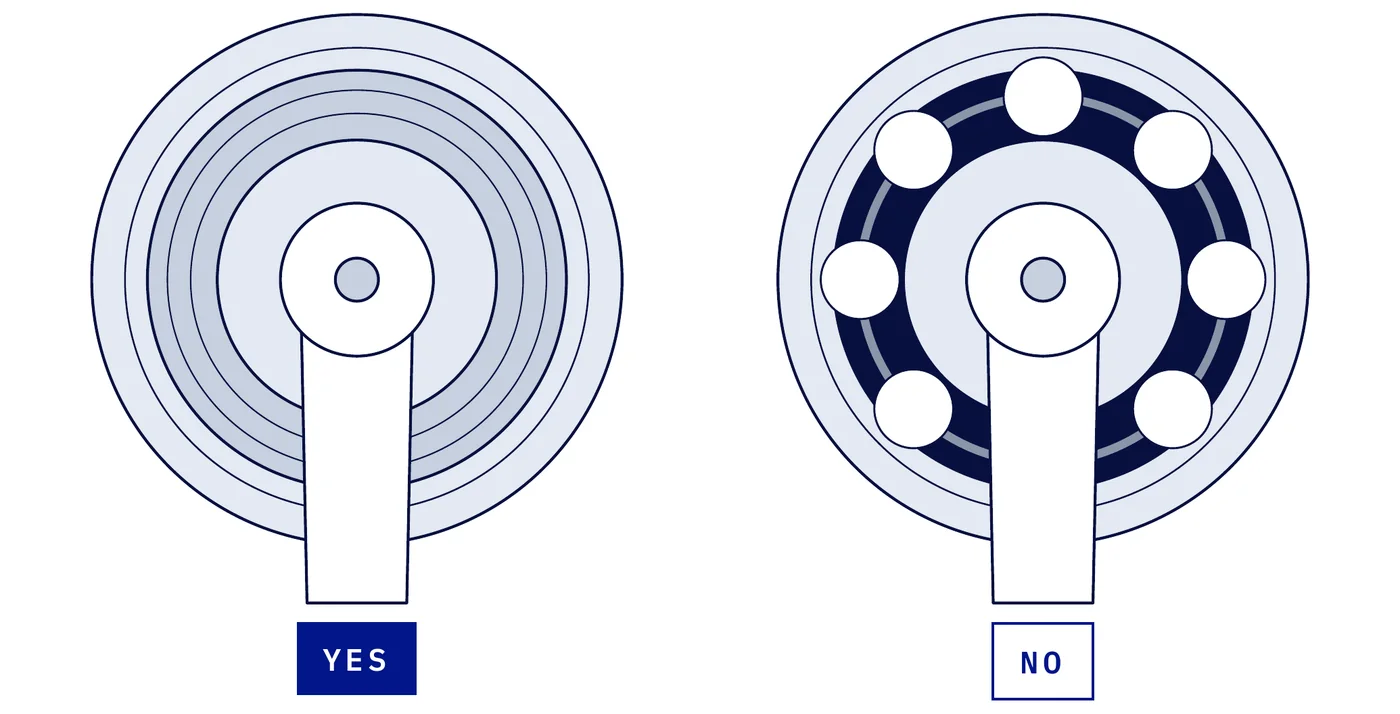
Fig. 5 · Yes: a steel ring covers the balls. No: you can see the balls around the bracket hub.
Cross-check
A seal always comes with a welsh plug on the I-beam side. A shield alone does not.
Your configuration
| Shield or seal? No | Shield or seal? Yes | |
|---|---|---|
| Welsh plug? No | Open / openCODE 0 | Shield, no welsh plugCODE 2 |
| Welsh plug? Yes | Welsh plug, no shieldCODE 1 | SealedCODES 3 TO 6 |
Why it matters
Open trolleys must be lubricated in operation by automatic oilers. Fully closed trolleys ship grease packed.
Sealed wheels
| Code | Seal | What it does |
|---|---|---|
| 3 | Triple labyrinth | The conveyor industry standard. Retains lubrication and keeps contaminants out. |
| 4 | Splashproof® | A Frost design that acts as a double triple labyrinth, for severe dirt and liquid. |
| 5 | Splashproof® with wiper | Adds a wiper seal, so the bearing can be relubricated or purged without seal damage. |
| 6 | Contact lip seal | Stays under pressure against the mating surface as it wears. Standard to 275°F continuous, high temperature to 400°F continuous. |
Common questions
A welsh plug is a smooth, dished steel cap on the I-beam side of the wheel. It closes off the bearing on that face.
A shielded wheel has a shield on the bracket side only (code 2). A sealed wheel has a welsh plug on the I-beam side plus a seal on the bracket side (codes 3 to 6).
A full ball wheel has 11 balls in the 3 in size and 13 in the 4 and 6 in sizes. Retainer wheels have 7 balls (3 in) or 8 balls (4 and 6 in).
Open trolleys must be lubricated in operation by automatic oilers. Fully closed trolleys ship grease packed.
Talk with our team
Send us two photos. We’ll identify the wheel.
Send a photo of the I-beam side, a photo of the bracket side, the part number if you have it, and your application.
616.453.7781 · frost.sales@frostinc.com
Want a copy for the shop floor? Download the printable guide (PDF). Replacing trolleys too? See how to measure trolley drop.
PLEASE FILL OUT A BRIEF FORM AND WE WILL GET BACK TO YOU SHORTLY.